
Are you tired of seeing the same old streetwear styles but not understanding the hype? Many people feel confused about what makes streetwear so popular and worth the investment.
People wear streetwear because it offers a unique form of self-expression, combines comfort with style, and connects them to urban culture. Streetwear represents identity, status, and belonging to a community that values authenticity and individuality.
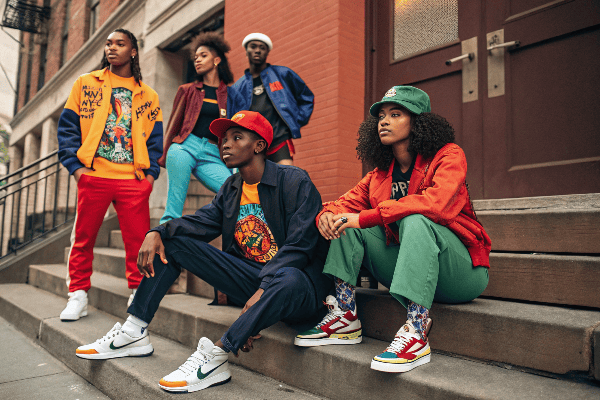
Looking at streetwear’s growing popularity, you might wonder about its appeal and how to incorporate it into your wardrobe. Let’s explore what makes streetwear special and why it’s become such an important part of fashion today.
Table of Contents
- What is Basic Streetwear Fashion?
- How to Dress a Streetwear Girl?
- What is the Difference Between Sportswear and Streetwear?
- Conclusion
What is Basic Streetwear Fashion?
Confused about what makes an outfit "streetwear"? You’re not alone. Many people struggle to identify the core elements that define this popular style.
Basic streetwear fashion combines casual comfort with urban aesthetics, featuring oversized t-shirts, hoodies, sneakers, and accessories. It blends influences from skateboarding, hip-hop, and urban culture while emphasizing brand identity and authenticity.

The Foundation of Streetwear Style
When I first encountered streetwear in my manufacturing career, I was struck by how different it was from traditional fashion. Streetwear isn’t just about clothing—it’s about attitude and identity. Let me break down the essential components:
Key Elements of Basic Streetwear
| Element | Description | Why It Matters |
|---|---|---|
| Oversized Silhouettes | Loose-fitting garments that create a relaxed look | Provides comfort and makes a bold statement |
| Graphic T-shirts | Tees featuring logos, art, or messages | Expresses personality and brand loyalty |
| Hoodies | Comfortable sweatshirts with hoods | Versatile layering piece and streetwear staple |
| Sneakers | Athletic shoes worn for style, not function | Often the centerpiece of a streetwear outfit |
| Accessories | Caps, beanies, chains, bags | Completes the look and adds personal flair |
The Cultural Significance
Streetwear emerged from grassroots movements rather than high fashion runways. This origin story is what gives streetwear its authenticity and appeal. In my experience working with clothing brands, I’ve seen how streetwear connects with youth culture in ways traditional fashion cannot.
The style draws inspiration from skateboarding, hip-hop, graffiti art, and urban living. These influences create a distinctive aesthetic that feels genuine and relatable. When someone wears streetwear, they’re not just putting on clothes—they’re participating in a cultural conversation.
Streetwear Brands and Their Impact
Brand identity plays a crucial role in streetwear. From established names like Supreme and Stussy to emerging labels, the brand often carries significant weight. Through my work with various clothing brands, I’ve observed how a strong brand narrative can transform simple garments into coveted pieces.
Many streetwear enthusiasts develop deep loyalty to particular brands that align with their values and aesthetic preferences. This brand-consumer relationship creates communities around shared style sensibilities, further strengthening streetwear’s cultural significance.
How to Dress a Streetwear Girl?
Feeling overwhelmed by the endless streetwear options for women? Many girls struggle to create authentic streetwear looks without feeling like they’re just copying trends.
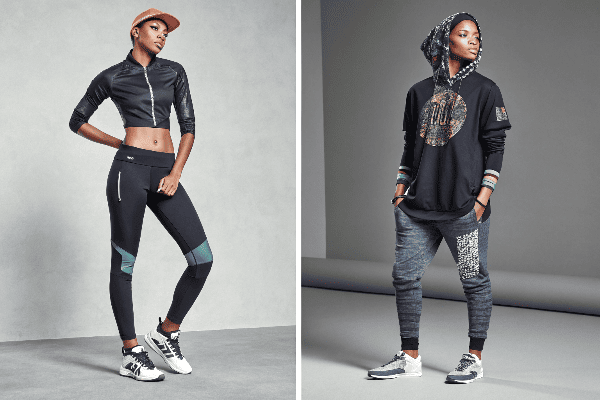
To dress a streetwear girl, focus on balancing oversized pieces with fitted items, incorporating feminine elements into traditionally masculine styles, and adding personal touches through accessories. The key is creating contrast while maintaining comfort and authenticity.
Finding the Perfect Balance
In my years working with apparel, I’ve learned that women’s streetwear is all about balance. It’s not simply adopting men’s styles—it’s about reinterpreting streetwear through a feminine lens while maintaining the style’s core elements.
Key Components for Women’s Streetwear
Creating a distinctive streetwear look for women requires understanding several important elements:
| Component | Description | Styling Tip |
|---|---|---|
| Proportions | The relationship between fitted and loose items | Pair an oversized hoodie with slim joggers or leggings |
| Layering | Strategic combination of multiple pieces | Use crop tops under open jackets or long tees under hoodies |
| Color Palette | The range of colors in an outfit | Experiment with monochromatic looks or bold color blocking |
| Footwear | Sneakers, boots, or platform shoes | Choose chunky sneakers for an edgier look or sleek models for a cleaner aesthetic |
| Personal Touch | Elements that make the look unique | Add unique jewelry, hair accessories, or customized pieces |
Feminine Elements in Streetwear
One of the most exciting aspects of women’s streetwear is the incorporation of traditionally feminine elements into urban styles. When working with female clients, I often suggest mixing traditionally masculine streetwear pieces with feminine touches.
For example, pairing an oversized graphic tee with a pleated skirt creates an interesting contrast. Similarly, adding delicate jewelry to an otherwise bold outfit adds unexpected dimension. These juxtapositions are what make women’s streetwear particularly dynamic and expressive.
Creating Authentic Personal Style
The most important aspect of streetwear for women is authenticity. Through my experience with different clients, I’ve noticed that the most successful streetwear looks are those that reflect the wearer’s personality rather than simply following trends.
I encourage experimenting with different elements to discover what feels most authentic. Maybe it’s vintage band tees paired with modern accessories, or perhaps it’s minimalist basics with statement sneakers. The possibilities are endless, but the key is developing a signature style that feels genuine.
Practical Outfit Examples
Based on my work with various clothing lines, here are some practical outfit combinations that work well for women’s streetwear:
- Oversized graphic hoodie + bike shorts + chunky sneakers + mini backpack
- Cropped tank + high-waisted cargo pants + platform sneakers + bucket hat
- Vintage band tee (tucked in) + pleated mini skirt + high socks + chunky sneakers
- Oversized button-up shirt (as a jacket) + crop top + baggy jeans + chunky boots
Each of these combinations balances comfort with style while allowing for personal expression through accessories and color choices.
What is the Difference Between Sportswear and Streetwear?
Confused about whether you’re looking at sportswear or streetwear? The line between these styles has become increasingly blurred, leaving many shoppers uncertain about what they’re actually buying.
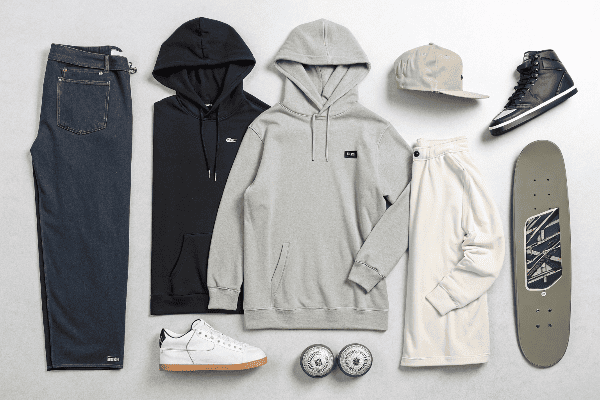
Sportswear focuses on performance, functionality, and athletic activities, while streetwear emphasizes style, cultural expression, and urban identity. Though they share materials and influences, sportswear serves a practical purpose whereas streetwear primarily makes a fashion statement.
Origins and Purpose
As someone who produces both sportswear and streetwear garments, I’ve developed a deep understanding of their fundamental differences. While they may look similar to the untrained eye, their origins and purposes are distinct.
Comparative Analysis
| Aspect | Sportswear | Streetwear |
|---|---|---|
| Primary Purpose | Performance during physical activity | Style and cultural expression |
| Design Focus | Functionality, durability, movement | Aesthetics, brand identity, cultural references |
| Materials | Technical fabrics for performance | Mix of comfortable fabrics chosen for style |
| Historical Origin | Athletic competitions and activities | Urban culture, skateboarding, hip-hop |
| Fit | Engineered for specific movements | Often deliberately oversized or stylized |
| Branding | Emphasizes performance capabilities | Emphasizes cultural cachet and exclusivity |
Material and Technical Differences
In my manufacturing experience, I’ve noticed significant differences in how sportswear and streetwear1 garments are constructed. Sportswear utilizes technical fabrics designed for specific performance attributes: moisture-wicking, compression, temperature regulation, and durability during repeated movements.
Streetwear, while sometimes incorporating these technical elements, doesn’t prioritize performance. Instead, the focus is on comfort, visual impact, and cultural references. The materials might look similar—both might use polyester blends or cotton—but the engineering behind them serves different purposes.
For example, when we produce leggings for sportswear, we focus on compression levels, seam placement for movement, and moisture management. For streetwear leggings, we prioritize unique finishes, visual details, and comfort for everyday wear rather than athletic performance.
The Convergence and Crossover
One of the most interesting developments I’ve witnessed in the industry is the increasing convergence between sportswear and streetwear. This phenomenon, often called "athleisure," has blurred the boundaries between these categories.
Many sportswear brands now create lines with streetwear aesthetics, while streetwear brands incorporate performance elements into their designs. This crossover makes distinguishing between the categories more challenging but also creates exciting opportunities for innovation.
In my work with clients, I’ve seen how this convergence allows for greater versatility in wardrobes. People can transition from gym to social settings without changing outfits, which has transformed how we think about both categories of clothing.
Cultural Significance and Branding
Perhaps the most significant difference between sportswear and streetwear lies in their cultural positioning. Sportswear brands typically market themselves based on athletic performance and achievement. Their heritage is tied to sports history and technological innovation.
Streetwear brands, by contrast, derive their value from cultural currency. Their connection to music, art, and urban life gives them a different kind of authenticity. When working with streetwear brands, I’ve observed how they cultivate communities around shared cultural references rather than athletic pursuits.
This difference extends to how consumers engage with these categories. People might choose sportswear based on functional benefits, while streetwear purchases often reflect identity and community belonging.
Conclusion
Streetwear represents more than just clothes—it’s a form of self-expression that combines comfort, style, and cultural identity. Whether you’re exploring basic streetwear essentials, creating feminine streetwear looks, or understanding its distinction from sportswear, the key is finding your authentic expression within this dynamic fashion movement.
Frequently Asked Questions
Q1: What defines basic streetwear fashion?
A1: Basic streetwear fashion includes oversized t-shirts, hoodies, sneakers, and accessories, blending casual comfort with urban cultural influences like skateboarding and hip-hop.
Q2: How can women dress in streetwear fashion?
A2: Women’s streetwear blends oversized and fitted pieces, layers creatively, and adds personal touches through accessories. Feminine streetwear often includes crop tops, pleated skirts, or bold sneakers paired with street staples.
Q3: Is streetwear the same as sportswear?
A3: No. Sportswear is designed for athletic performance, while streetwear prioritizes self-expression and style. Streetwear may borrow from sportswear aesthetics but focuses more on cultural identity than function.
Q4: Why is brand identity important in streetwear?
A4: In streetwear, brand identity reflects values, cultural relevance, and exclusivity. Many consumers choose streetwear brands that align with their personal identity or community.
Q5: Can streetwear be functional like athleisure?
A5: Yes. While traditional streetwear prioritizes style, many modern brands blend streetwear with functional sportswear to create versatile athleisure collections.
Whether you’re discovering streetwear for the first time or looking to refine your style, understanding the cultural roots and stylistic elements of streetwear helps you wear it with authenticity and confidence.
-
Discover the distinctions between sportswear and streetwear to make informed fashion choices that suit your lifestyle. ↩

