
Feeling overwhelmed by fashion choices? Discover why Zara has become a global fashion powerhouse and how it revolutionized the retail industry.
Zara is a Spanish fast-fashion retailer1 founded in 1975 by Amancio Ortega. It is the flagship brand of Inditex, one of the world’s largest fashion groups. Zara is known for quickly producing affordable, trendy clothing inspired by runway designs and delivering new styles to stores biweekly.
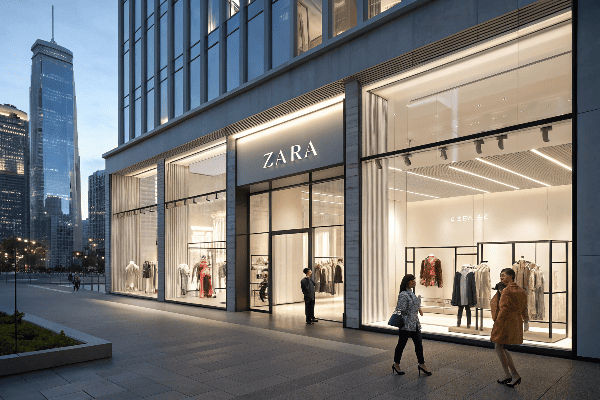
I want to take you behind the scenes of this retail giant that has transformed how we shop for clothes. From its humble beginnings to its innovative business model2, Zara offers valuable lessons for both fashion enthusiasts and business professionals.
Table of Contents
What is the History of Zara?
Ever wondered how a small clothing store in a remote Spanish town transformed into a global fashion empire? The story of Zara’s rise shows the power of vision and innovation.
Zara began in 1975 when Amancio Ortega opened the first store in A Coruña, Spain. Originally called "Zorba," the name was changed to "Zara" after a nearby bar with the same name complained, leading to the iconic brand we know today.
From Local Shop to Global Phenomenon
The journey of Zara from a single store to a worldwide fashion leader fascinates me. I remember visiting one of their earlier international locations in the 1990s and being impressed by their approach to fashion. This was clearly not just another clothing store.
Amancio Ortega, the founder, came from humble beginnings. He started working in the clothing industry at age 14 as a shop assistant. This early exposure gave him insights into what customers wanted and what frustrated them about the traditional fashion industry. He noticed the disconnect between what designers created and what everyday people actually wanted to wear.
The early growth of Zara followed a careful and strategic path:
| Year | Milestone |
|---|---|
| 1975 | First Zara store opens in A Coruña, Spain |
| 1985 | Inditex is established as Zara’s parent company |
| 1988 | First international store opens in Porto, Portugal |
| 1989 | Enters the United States market with a store in New York |
| 1990 | Expands to France, a major fashion capital |
| 2000 | Online store launches |
| 2010 | All Zara stores adopt the new eco-efficient model |
| 2021 | Reaches over 2,200 stores in 96 countries |
What makes this growth remarkable is that Zara accomplished it with minimal traditional advertising. While other retailers spent millions on marketing campaigns, Zara invested in prime retail locations and let their storefronts and products speak for themselves. This unconventional approach saved money that could be redirected to faster production and lower prices.
Leadership and Corporate Structure
The leadership philosophy of Amancio Ortega shaped Zara’s culture. Despite becoming one of the richest men in the world, he maintained a low profile and focused on the business. He emphasized:
- Customer focus above all else
- Speed to market
- Continuous innovation
- Vertical integration
This philosophy extends throughout the company’s structure. Store managers have significant input in the design process, reporting directly to designers about what customers are asking for and what’s selling well. This bottom-up information flow gives Zara an edge in responding to real-time consumer demands.
The parent company, Inditex, now encompasses eight brands, but Zara remains the flagship and contributes approximately 70% of the group’s revenue. This successful formula has made Amancio Ortega one of the wealthiest individuals globally, with a net worth exceeding $70 billion.
How Does Zara’s Business Model Work?
Frustrated by seeing the same clothes in every store? Zara pioneered a revolutionary "fast fashion" model that delivers new designs to stores every few days instead of seasonal collections.
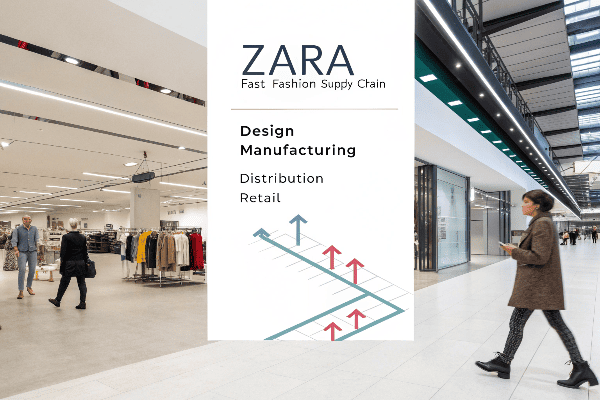
Zara’s business model2 centers on speed, limited quantities, and vertical integration. They control the entire process from design to retail, allowing them to move from concept to store shelves in just 2-3 weeks compared to the industry standard of 6-9 months.
The Fast Fashion Revolution
Zara created a business approach that fundamentally changed the fashion industry. I’ve studied their model extensively and find it fascinating how they turned traditional industry practices upside down.
The traditional fashion industry operated on a predictable calendar. Designers would create seasonal collections months in advance. Then manufacturers would produce large quantities of each design. Retailers would place bulk orders at fashion trade shows and wait months for delivery. This approach created several problems:
- Long lead times meant designers had to predict trends far in advance
- Retailers risked being stuck with unpopular items
- Consumers had to wait months to buy runway-inspired clothing
Zara identified these pain points and created a solution through several innovative practices:
Just-in-Time Production
Instead of large production runs, Zara manufactures small batches. This approach offers several advantages:
| Traditional Model | Zara’s Approach | Benefit |
|---|---|---|
| Large production runs | Small batches | Reduces inventory risk |
| Seasonal collections | New items weekly | Creates frequent customer visits |
| 6-9 month lead time | 2-3 week lead time | Responds to current trends |
| Outsourced manufacturing | 50% in-house production | Maintains quality control |
I once visited a Zara store three weeks in a row and saw new merchandise each time. This constant renewal keeps customers coming back frequently, knowing the items they like might not be available next time.
Vertical Integration
Unlike most fashion retailers, Zara controls its entire supply chain:
- Design: Over 200 designers work at headquarters creating approximately 40,000 designs annually, of which about 12,000 are produced
- Manufacturing: Around 50% of production occurs in Spain, Portugal, and Morocco, close to headquarters
- Distribution: A sophisticated logistics system ships new items to every store worldwide twice weekly
- Retail: Store managers provide daily feedback on customer preferences
This integration allows Zara to adapt quickly. If a design sells well, they can produce more within days. If an item flops, they cut their losses and move on. This responsiveness minimizes waste from unsold inventory.
Limited Quantities and Artificial Scarcity
Zara deliberately produces limited quantities of each design. When I find something I like at Zara, I know I should buy it immediately because it might not be there next week. This creates:
- A sense of urgency among shoppers
- Higher full-price sell-through rates
- More frequent store visits
- Reduced need for major sales events
The scarcity principle works psychologically on consumers. When we believe something is limited, we value it more and act more quickly to acquire it.
Data-Driven Decision Making
While the fashion industry has traditionally relied on the intuition of designers and buyers, Zara embraces data. Each store transmits detailed sales information daily. This data influences:
- Which designs to continue producing
- Which colors are trending in different regions
- What price points are working
- How to allocate inventory among stores
This approach minimizes guesswork and allows Zara to respond precisely to customer behavior in each location.
What Makes Zara Different from Other Fashion Retailers?
Tired of waiting months for runway trends to reach affordable stores? Zara bridges the gap between high fashion and accessibility, but with some controversial practices you should know about.
Zara stands out for its rapid design-to-store timeline, mimicking runway trends within weeks not months. The company maintains tight inventory control, premium store locations, and minimal advertising, creating a unique position between luxury and mass-market fashion.
The Zara Shopping Experience
The Zara shopping experience differs significantly from other retailers. I’ve shopped at Zara stores on three continents and find the experience remarkably consistent yet always fresh.
Store Design and Location
Zara invests heavily in prime real estate, often positioning stores alongside luxury brands rather than in typical fast-fashion locations. This strategic placement accomplishes several things:
- It elevates the brand perception
- It exposes Zara to luxury consumers looking for affordable options
- It justifies slightly higher price points than other fast-fashion retailers
The store interiors follow a minimalist aesthetic with bright lighting, simple fixtures, and generous space between racks. This design feels more upscale than the cluttered layouts of competitors like H&M or Forever 21.
Merchandise Presentation
Zara organizes its merchandise differently than most retailers:
| Traditional Retailers | Zara’s Approach |
|---|---|
| Organize by category (tops, bottoms, dresses) | Organize by "stories" or micro-collections |
| Display as many items as possible | Curated, museum-like displays with fewer items |
| Focus on individual pieces | Show complete outfits and styling options |
| Static displays | Change |

