
Are you tired of sportswear that falls apart after a few uses? I’ve been there too, and that’s why I decided to take a closer look at Columbia Sportswear.
Columbia Sportswear is a good brand that offers reliable, durable outdoor apparel at reasonable prices. While not as premium as Arc’teryx or as fashion-forward as The North Face, Columbia provides excellent value with its quality materials and innovative technologies.
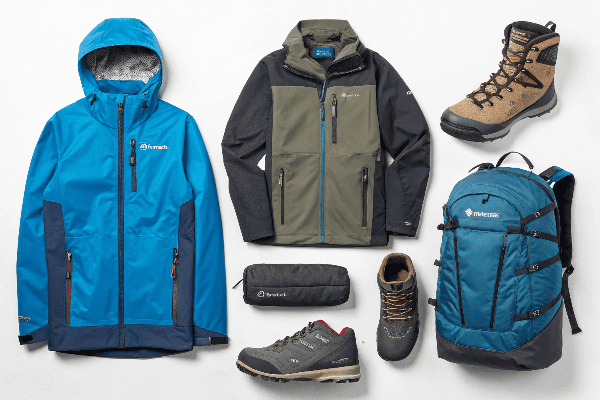
As someone who has worked in the textile industry for years, I’ve seen countless brands come and go. Let me share what makes Columbia stand out and why it might be worth your consideration.
Table of Contents
- Is Columbia Sportswear a good brand?
- Where is Columbia Sportswear from?
- Which brand is best for Sportswear?
- What are the top 3 sports brands?
- Conclusion
Where is Columbia Sportswear from?
Ever wondered about the origins of that Columbia jacket hanging in your closet? The story behind this brand is quite fascinating and explains a lot about their values.
Columbia Sportswear was founded in Portland, Oregon, USA in 1938 by German immigrants. The company remains headquartered in Portland to this day, though their manufacturing now spans globally across countries in Asia, Latin America, and other regions.

The Columbia Origin Story
Columbia Sportswear’s history is truly a classic American success story. The company was started by Paul Lamfrom, who fled Nazi Germany with his family in 1937. They purchased a small hat company in Portland, Oregon, and named it Columbia Hat Company after the Columbia River. Paul’s daughter, Gert Boyle, later took over the company when her husband died suddenly in 1970. Under her leadership, the company expanded from hats to a full range of outdoor clothing and equipment.
What I find most impressive about Columbia’s history is how they’ve maintained their commitment to quality through generations of family leadership. Gert Boyle, who passed away in 2019, was known for her tough quality standards and even appeared in advertisements as "Mother Boyle" with the tagline "One Tough Mother." This commitment to quality is something I deeply respect as a manufacturer myself.
Columbia’s Global Manufacturing Footprint
As the owner of a garment manufacturing company, I understand the complexities of global production. Columbia Sportswear operates much like other major sportswear brands, with a distributed manufacturing model. While their headquarters and design teams are in Oregon, their actual production occurs in factories across multiple countries, primarily in Asia.
| Production Region | Percentage of Production | Main Products |
|---|---|---|
| Asia (Vietnam, China, etc.) | Approximately 60% | Jackets, pants, shirts |
| Latin America | Approximately 20% | Casual wear, accessories |
| Other regions | Approximately 20% | Specialized equipment |
This global approach allows Columbia to balance cost-effectiveness with quality control. From my experience in the industry, this kind of distributed manufacturing requires excellent quality control systems to maintain consistency across different factories – something Columbia seems to manage well.
Columbia’s American Identity
Despite their global manufacturing, Columbia maintains a strong American identity in their branding and design philosophy. Their products often reflect the outdoor lifestyle associated with the Pacific Northwest – practical, durable, and ready for unpredictable weather.
During my visits to outdoor retailer trade shows, I’ve noticed that Columbia’s American heritage is a key part of their appeal internationally. In markets like Japan and Europe, the brand’s connection to American outdoor traditions gives it a distinct identity among competitors.
Which brand is best for Sportswear?
Confused about which sportswear brand deserves your money? With so many options, finding the right balance of quality, price, and style can feel overwhelming.
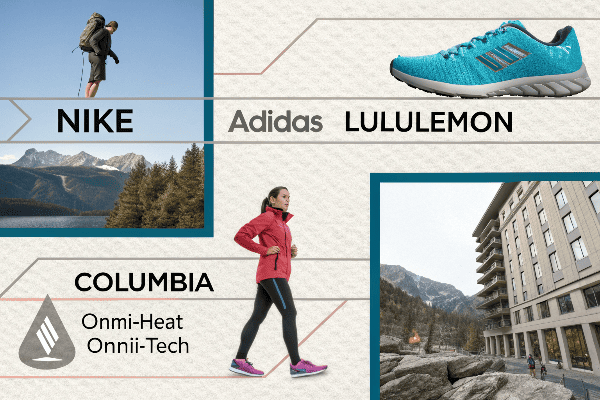
The best sportswear brand depends on your specific needs. Nike leads in performance technology, Adidas excels in style and versatility, Lululemon offers premium yoga and lifestyle wear, while Columbia provides exceptional value in outdoor gear with their innovative technologies like Omni-Heat and Omni-Tech.
Different Brands for Different Needs
In my years working with textile and garment production, I’ve learned that there’s no one-size-fits-all answer to which sportswear brand is best. Each major brand has carved out its own specialty and target market.
When customers ask me this question, I always start by asking what they’ll be using the clothing for. High-intensity gym workouts? Trail running? Casual hiking? Or perhaps yoga and pilates? Each activity places different demands on clothing in terms of breathability, flexibility, durability, and weather protection.
Performance Factors to Consider
From a manufacturer’s perspective, I evaluate sportswear brands based on several key factors:
Material Quality and Innovation
Some brands like Columbia and Patagonia invest heavily in developing proprietary materials. Columbia’s Omni-Heat technology, for instance, uses small silver dots to reflect body heat back to the wearer – a clever innovation that I’ve studied closely for our own product development.
| Brand | Notable Material Technologies |
|---|---|
| Columbia | Omni-Heat, Omni-Tech, Omni-Shade |
| Nike | Dri-FIT, Flyknit, AeroLoft |
| Adidas | Climacool, Primeknit, Boost |
| Under Armour | HeatGear, ColdGear, UA RUSH |
Construction Quality
This is where my manufacturing experience gives me unique insight. I’ve closely examined garments from all major sportswear brands, and there are significant differences in seam construction, stitching density, and reinforcement techniques.
Columbia, for example, typically uses very strong seam construction on their outerwear – something I’ve pointed out to my production team as a benchmark for quality. Their jackets often feature reinforced stress points and sealed seams in key areas, which extends the life of the garment significantly.
Price-to-Performance Ratio
This is where Columbia often shines. While brands like Arc’teryx or Patagonia might offer marginally better performance in extreme conditions, Columbia provides 80-90% of that performance at often half the price.
In my factory, we often use Columbia as a reference point when clients ask for "good quality at a reasonable price" – their approach to balancing cost and performance is something we try to emulate.
My Personal Assessment
After years in the industry, I’ve developed my own ranking system for sportswear brands based on different activities:
- For high-intensity gym workouts: Nike and Under Armour lead the pack
- For outdoor adventures: Patagonia and Columbia offer the best balance of performance and value
- For yoga and studio workouts: Lululemon and Athleta provide superior comfort and flexibility
- For casual, everyday wear: Adidas1 and Nike2 offer the best style versatility
Columbia, in particular, occupies an interesting space in the market. They’re not the absolute premium choice for extreme mountaineering (brands like Arc’teryx or Mammut take that spot), but for everyday outdoor activities and reasonable weather conditions, Columbia provides excellent value.
What are the top 3 sports brands?
Wondering which sports brands truly dominate the global market? The answer might vary depending on who you ask, but the numbers tell a clear story.
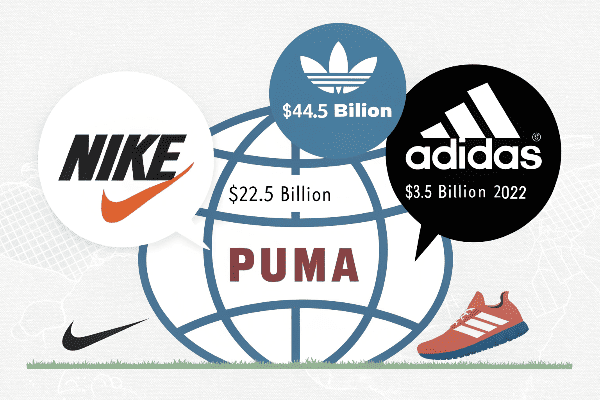
The top three sports brands globally are Nike, Adidas, and Puma based on market share, revenue, and brand recognition. Nike leads with approximately $44.5 billion in annual revenue, followed by Adidas at $22.5 billion, and Puma at $8.5 billion (2022 figures).
The Giants of the Industry
As someone who has worked in the garment manufacturing industry for years, I’ve had the opportunity to study the major players up close. The "Big Three" – Nike, Adidas, and Puma – have established themselves through decades of innovation, marketing, and strategic partnerships.
What fascinates me most about these brands is how they’ve evolved from simple athletic wear companies into global lifestyle brands. This transformation has significant implications for smaller manufacturers like us who need to understand market trends.
Nike: The Market Leader
Nike’s dominance in the sportswear market is something I’ve observed with great interest. Their success comes from a combination of factors:
| Nike’s Strengths | Industry Impact |
|---|---|
| Performance Innovation | Sets industry standards for athletic wear |
| Marketing Excellence | Athlete endorsements and emotional branding |
| Supply Chain Efficiency | Vertical integration and global sourcing |
| Product Diversity | From premium to budget lines across multiple sports |
During my visits to sports retail chains, I’ve noticed that Nike consistently commands the most premium floor space and positioning. Their ability to create demand through limited releases and collaborations is something I’ve tried to learn from for our own product launches.
Adidas: The Versatile Challenger
Adidas has positioned itself as both a performance and lifestyle brand, which gives it a unique versatility in the market. Their strength in soccer (football) equipment is particularly noteworthy, as is their successful crossing into fashion through collaborations with designers like Yeezy and Stella McCartney.
From a manufacturing perspective, what impresses me about Adidas is their commitment to sustainability. Their initiatives to use recycled ocean plastic in their products has influenced our own sustainability efforts at DECHENG.
Puma: The Focused Competitor
While smaller than Nike and Adidas, Puma has carved out a strong position by focusing on specific sports categories and fashion-forward designs. Their motorsport line, for instance, is particularly strong.
In my conversations with retail buyers, I’ve noticed that Puma often attracts a slightly different demographic than Nike or Adidas – typically more fashion-conscious consumers who are looking for something outside the mainstream.
Beyond the Big Three
While Nike, Adidas, and Puma are the global leaders, other brands have significant regional strength or category dominance:
- Under Armour has strong positioning in North America
- Anta and Li-Ning are dominant in the Chinese market
- Specialized brands like Lululemon dominate specific categories (yoga/lifestyle)
As a manufacturer, I’ve had to stay aware of these regional differences when developing products for various markets. What works in North America might not resonate in Asia or Europe.
Columbia’s Position in the Landscape
Columbia Sportswear3, while not in the top three general sports brands, holds a strong position in the outdoor/adventure segment. They compete more directly with brands like The North Face, Patagonia, and REI than with the big three mentioned above.
In my experience, Columbia has wisely avoided trying to compete head-to-head with Nike or Adidas in team sports or fashion athleticwear. Instead, they’ve doubled down on their outdoor expertise, creating technologies like Omni-Heat and Omni-Tech that address specific outdoor needs.
This focused approach is something I’ve tried to emulate in my own business. Rather than competing with the biggest players across all categories, we’ve found success by specializing in specific niches where we can offer unique value.
Conclusion
Columbia Sportswear stands out as a solid, reliable brand that delivers good value for money. While not the absolute premium choice, their innovative technologies and durable construction make them a smart choice for everyday outdoor enthusiasts.
Frequently Asked Questions
Q1: Is Columbia Sportswear good quality?
A1: Yes. Columbia is known for using durable materials, strong stitching, and proprietary technologies like Omni-Heat and Omni-Tech, making their products suitable for outdoor adventures and everyday wear.
Q2: Is Columbia better than North Face or Patagonia?
A2: Columbia offers better value at lower prices, while The North Face and Patagonia may offer higher-end performance gear. Your choice depends on budget, purpose, and brand preference.
Q3: Is Columbia considered a luxury brand?
A3: No. Columbia is not a luxury brand. It’s a mid-range brand known for affordable, functional outdoor clothing and gear rather than fashion or luxury status.
Q4: Where is Columbia Sportswear manufactured?
A4: Columbia manufactures globally, with production mainly in Asia (Vietnam, China), and also in Latin America and other regions. The company is headquartered in Portland, Oregon.
Q5: What makes Columbia different from other sportswear brands?
A5: Columbia focuses on outdoor apparel and gear, offering unique technologies like Omni-Shade and Omni-Tech, which differentiate it from sports-focused brands like Nike or Adidas.
If you’re seeking affordable, well-made outdoor clothing backed by decades of experience, Columbia Sportswear remains a reliable and smart choice for adventurers and casual wearers alike.
-
Learn about Adidas’ unique approach to blending performance and fashion, and their commitment to sustainability in the industry. ↩
-
Discover the factors behind Nike’s dominance, including performance innovation and marketing strategies that set industry standards. ↩
-
Explore Columbia Sportswear’s innovative technologies and how they cater to outdoor enthusiasts, making them a reliable choice for quality gear. ↩

