
Struggling to make your streetwear brand stand out in a crowded market? You’re not alone – many brands face this challenge daily.
Marketing streetwear requires a strategic blend of authenticity, social media presence, and community building. Focus on telling your unique brand story, partnering with micro-influencers who share your values, and creating exclusive drops that generate hype.
Let’s explore how you can effectively market your streetwear brand1 and increase your visibility in this competitive industry. My experience working with numerous streetwear brands has taught me what truly works.
Table of Contents
- What are the Best Selling Streetwear Items?
- Who is the Target Audience for Streetwear?
- What is an Attractive Target Market?
- Conclusion
What are the Best Selling Streetwear Items?
Wondering which products to focus on for maximum profit? The right inventory mix can make or break your streetwear brand’s success.
Best-selling streetwear items include graphic t-shirts, hoodies, cargo pants, limited edition sneakers, and accessories like caps and crossbody bags. These items consistently drive sales because they balance everyday wearability with brand expression.
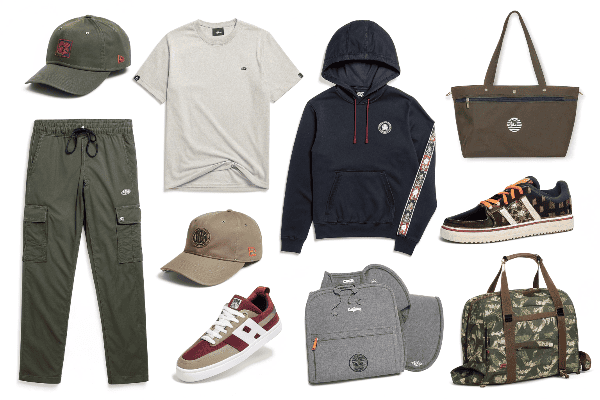
Core Streetwear Products and Their Market Performance
When I first started working with streetwear brands at DECHENG, I was surprised by how certain items consistently outperformed others. Let me break down the most profitable streetwear products and explain why they work so well:
T-shirts and Tops
T-shirts remain the foundation of any successful streetwear brand. They’re relatively affordable to produce, offer excellent margins, and serve as walking billboards for your brand. At our factory, we’ve seen the following trends:
| T-shirt Type | Popularity | Profit Margin | Production Complexity |
|---|---|---|---|
| Graphic Tees | Very High | 65-80% | Low |
| Oversized Fits | High | 70-85% | Low |
| Vintage Wash | Medium | 60-75% | Medium |
| Cut & Sew | Medium | 50-65% | High |
I’ve found that brands focusing on unique graphics and high-quality blanks typically see the best return on investment. Last year, we produced a limited run of graphic tees for a UK-based brand that sold out within hours, proving that creative designs on quality blanks still drive significant sales.
Hoodies and Sweatshirts
Hoodies consistently rank among the highest-margin products in streetwear. They offer these advantages:
- Year-round appeal (seasonal adjustments in weight)
- Premium price points ($50-200 retail)
- Perfect canvas for brand messaging
- High perceived value
Our manufacturing data shows that heavyweight hoodies (12-14oz) with minimal but distinctive branding elements achieve the highest customer satisfaction ratings. One of our clients increased their sales by 45% after switching to premium French terry material with enhanced durability.
Bottoms and Pants
The pants category has evolved significantly in recent years:
| Pants Style | Market Trend | Key Features | Production Considerations |
|---|---|---|---|
| Cargo Pants | Rising | Multiple pockets, loose fit | Complex construction |
| Track Pants | Stable | Side stripes, tapered fit | Technical fabrics |
| Wide-Leg Jeans | Rising | Relaxed silhouette | Denim sourcing |
| Workwear Pants | Stable | Durability, utility | Hardware requirements |
I recently worked with a brand focusing exclusively on technical cargo pants with water-resistant properties. Their strategy of specializing in one category with superior quality has proven more effective than trying to cover all product types.
Outerwear
Though more seasonal, outerwear pieces typically command the highest price points and create the most brand prestige. Coach jackets, bombers, and technical shells remain bestsellers when executed well.
In my experience helping brands develop their product lines, I’ve learned that success often comes from mastering a signature item rather than diluting focus across too many products. Start with perfecting your core items before expanding your catalog.
Who is the Target Audience for Streetwear?
Are you marketing to the right people? Understanding your audience is crucial for creating products they’ll actually buy and campaigns that truly resonate.
Streetwear’s primary audience includes Gen Z and Millennials (16-35) who value authenticity, exclusivity, and cultural relevance. They’re digitally native, highly influenced by social media, and willing to pay premium prices for brands that align with their identity.
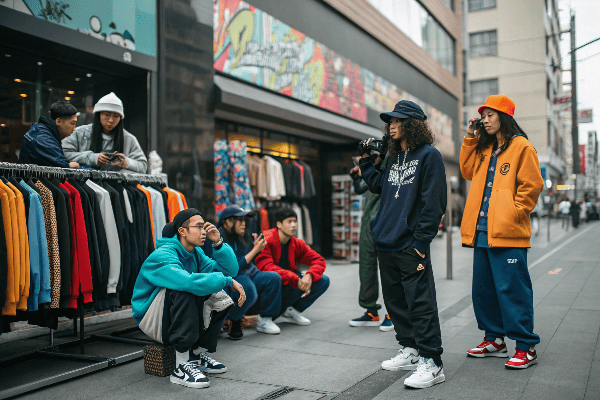
Understanding the Modern Streetwear Consumer
Working with dozens of streetwear brands at DECHENG has given me unique insights into who actually buys these products. The streetwear consumer has evolved significantly from its niche roots, and understanding these segments is essential for effective marketing.
Core Demographic Breakdown
Today’s streetwear market reaches multiple generations and demographic groups:
| Age Group | Percentage of Market | Key Characteristics | Spending Habits |
|---|---|---|---|
| 16-24 | 35% | Trend-conscious, digital natives | Lower budget, high frequency |
| 25-34 | 42% | Career-focused, brand loyal | Higher budget, quality-focused |
| 35-45 | 18% | Nostalgic, selective | Highest budget, fewer purchases |
| 46+ | 5% | Cultural appreciators | Variable spending |
What I find most interesting is how the 25-34 segment has grown to become the largest market share. These consumers grew up with streetwear and now have disposable income to spend on premium versions of the styles they love.
Psychographic Profiles
Beyond age demographics, I’ve identified these psychological profiles that cut across age groups:
The Cultural Connector
- Values authenticity and brand story
- Deeply knowledgeable about streetwear history
- Follows specific designers and creative directors
- Appreciates limited editions and collaborations
The Status Seeker
- Prioritizes recognizable logos and hype pieces
- Influenced by celebrity endorsements
- Uses streetwear as social currency
- Willing to pay resale prices for exclusive items
The Style Evolutionist
- Blends streetwear with other fashion genres
- Values quality and craftsmanship
- Less logo-driven, more silhouette and material focused
- Appreciates subtle branding and technical features
The Practical Adopter
- Drawn to streetwear’s comfort and functionality
- Less concerned with hype culture
- Values durability and versatility
- Price-conscious but willing to invest in quality
I worked with a brand last year that was struggling with their marketing direction. By helping them focus specifically on the "Style Evolutionist" segment with elevated materials and subtle branding, they were able to increase their average order value by 35%.
Understanding these consumer segments allows for more targeted product development and marketing strategies. From my experience, the most successful streetwear brands identify their core audience and speak directly to them rather than trying to appeal to everyone.
What is an Attractive Target Market?
Feeling overwhelmed by all the potential markets to enter? Finding your perfect niche is essential for building a sustainable streetwear business.
The most attractive streetwear markets combine growing demand, reasonable competition, and alignment with your brand values. Urban centers with active youth culture, college towns, and communities with strong ties to sports, music, or art scenes offer fertile ground for streetwear growth.
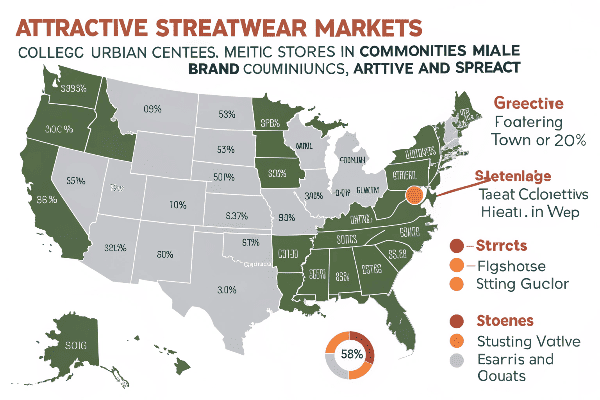
Identifying Profitable Streetwear Market Segments
After helping numerous brands find their footing in the competitive streetwear landscape, I’ve developed a framework for identifying the most viable target markets. The key is finding the sweet spot between market potential and your brand’s unique strengths.
Geographic Market Analysis
Location still matters significantly in streetwear, even in our digital world:
| Region | Market Saturation | Growth Potential | Consumer Behavior |
|---|---|---|---|
| North America | High | Moderate | Early adopters, trend-driven |
| Western Europe | Medium-High | Moderate | Quality-focused, heritage influence |
| Asia (Japan, Korea) | High | High | Detail-oriented, brand-conscious |
| Asia (China, SE Asia) | Medium | Very High | Rapidly evolving, status-driven |
| Australia/NZ | Medium | Moderate | Casual aesthetic, value quality |
| South America | Low-Medium | High | Price-sensitive, unique style fusion |
| Africa | Low | Very High | Emerging creative scenes, local pride |
One of our most successful client partnerships involved helping a brand expand into Southeast Asian markets where they faced less competition but found consumers highly receptive to their aesthetic. Their sales in these regions now outpace their domestic market.
Niche Market Opportunities
Beyond geography, these specialized segments offer attractive opportunities:
Athleisure-Streetwear Hybrid
Frequently Asked Questions
Q1: What are the best products to sell for a new streetwear brand?
A1: Graphic t-shirts, oversized hoodies, cargo pants, and statement accessories are the most profitable and popular starting points due to their wearability and branding potential.
Q2: Who should I target with my streetwear marketing?
A2: The core audience includes Gen Z and Millennials (ages 16–35), particularly those interested in fashion, music, art, and online culture. Focus on digital natives who value authenticity and exclusivity.
Q3: How can I create hype around my streetwear drops?
A3: Use limited-edition releases, teasers on social media, influencer collaborations, and countdowns to build anticipation. Scarcity and storytelling are powerful tools in streetwear marketing.
Q4: What markets should I target first with my brand?
A4: Start with niche urban markets, college towns, or regions with active creative scenes. Southeast Asia, Latin America, and culturally diverse cities offer strong growth potential for emerging streetwear labels.
Q5: Should I focus on sustainability in streetwear?
A5: Yes—consumers increasingly value sustainable practices. Offering eco-friendly fabrics, ethical production, and transparent sourcing can differentiate your brand and attract loyal customers.
Understanding your audience and aligning your strategy with their values is the foundation of any successful streetwear marketing plan. With a clear niche, quality products, and authentic storytelling, your brand can grow faster and build a loyal following.
-
Explore this resource to discover proven strategies that can help your streetwear brand gain visibility and stand out in a competitive market. ↩

